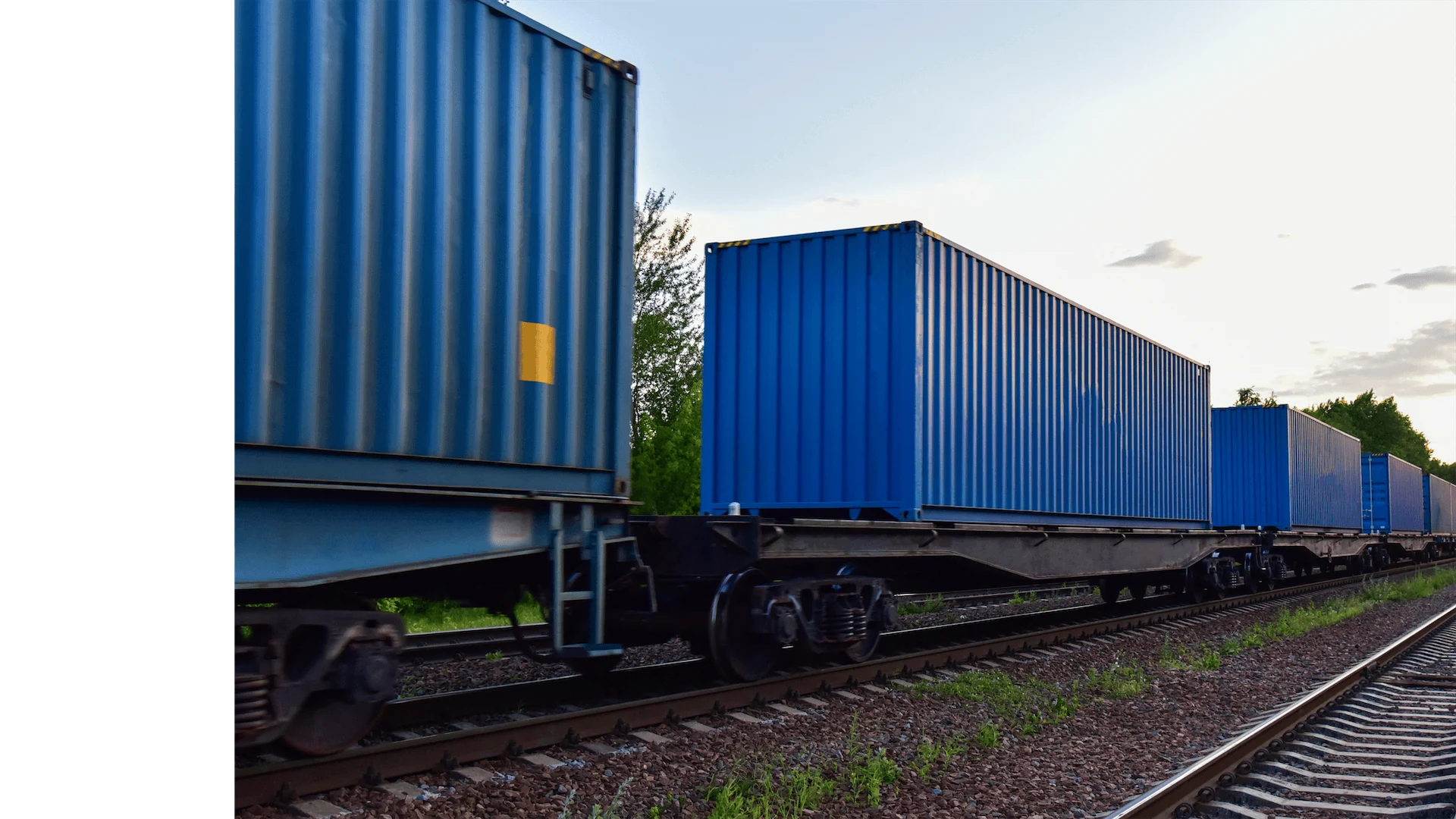
Reaching your satisfaction is our ultimate goal
TTP Global Group provides optimized transportation and supply chain services for businesses.
 Get a quote
TTP Global Group provides optimized transportation and supply chain services for businesses.
-BDICpV4Y.webp)
Ocean freight, air freight, customs, warehousing and distribution in one contact point.
Services
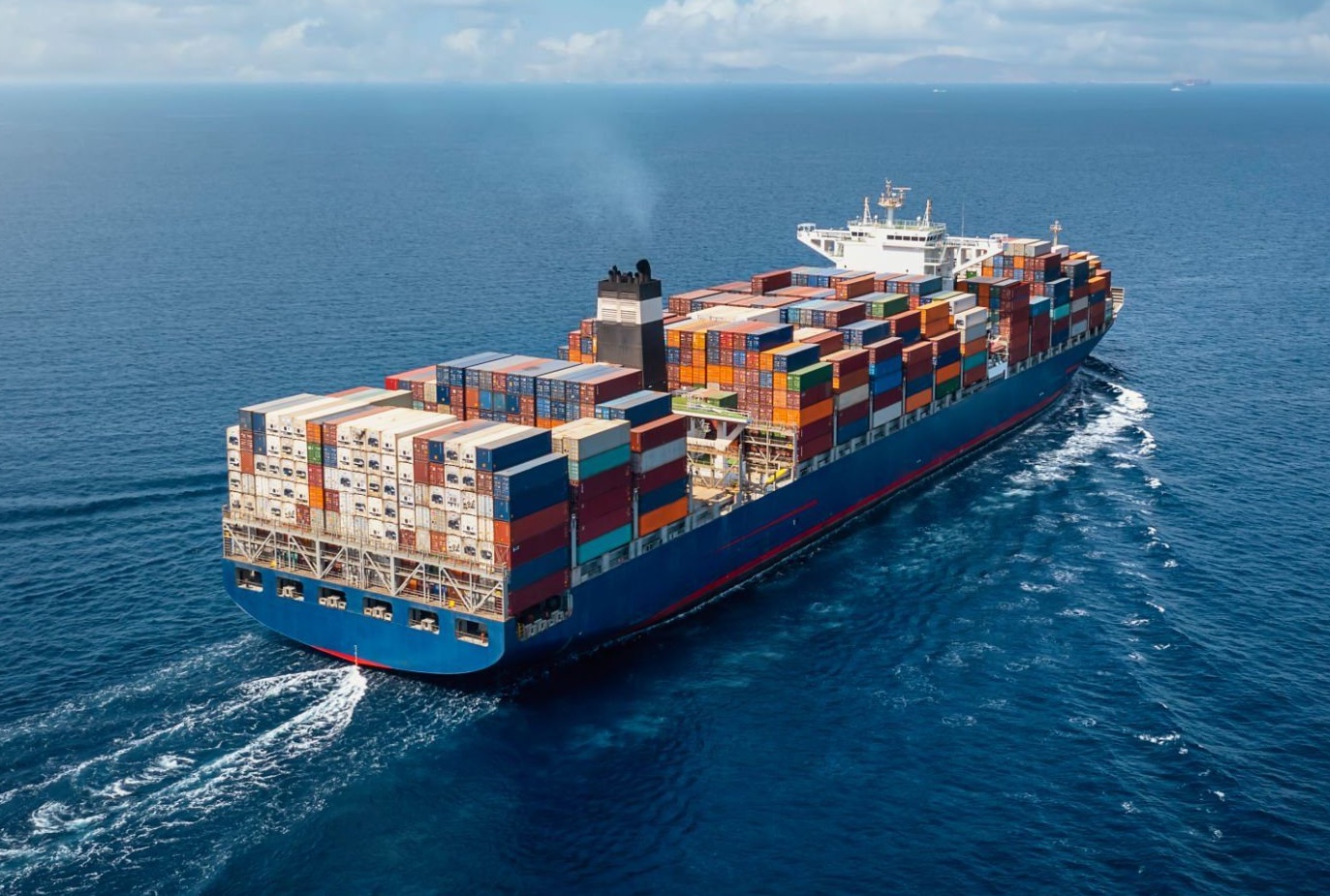
FCL, LCL, break bulk and major import-export routes.

Fast solutions for samples, components, urgent and high-value shipments.
Document consulting, customs declaration, specialized inspection and clearance.
Industries
 Food & Beverage
 Garment & Footwear
 Metal & Construction materials
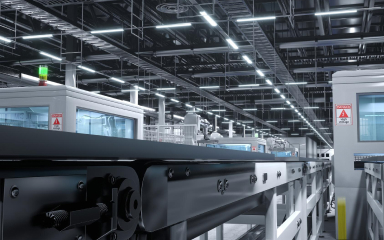 Machinery & Equipment
 Healthcare, Cosmetics & Medical
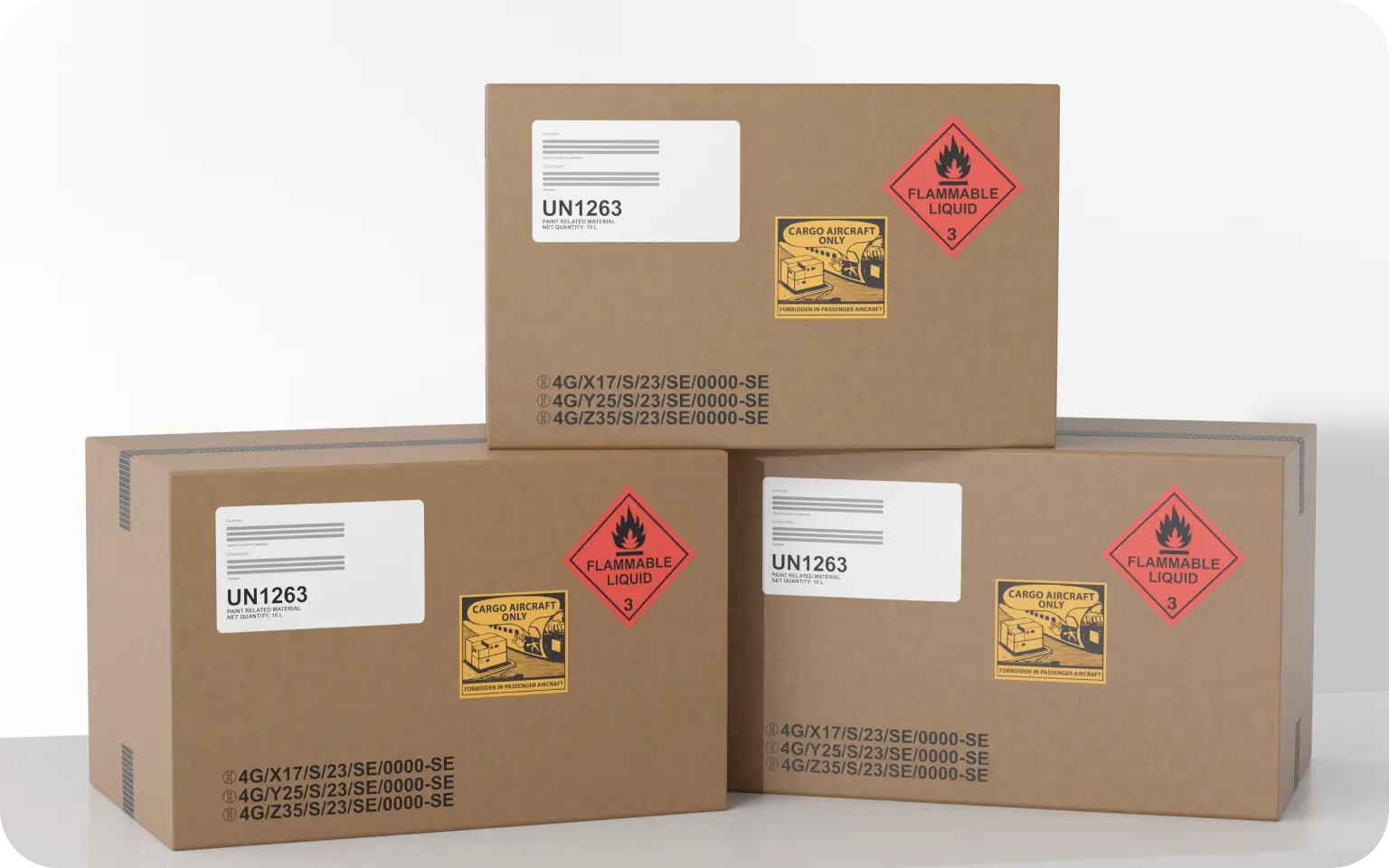 Dangerous goods
 Automotive and spare parts
 Electronic devices
Markets
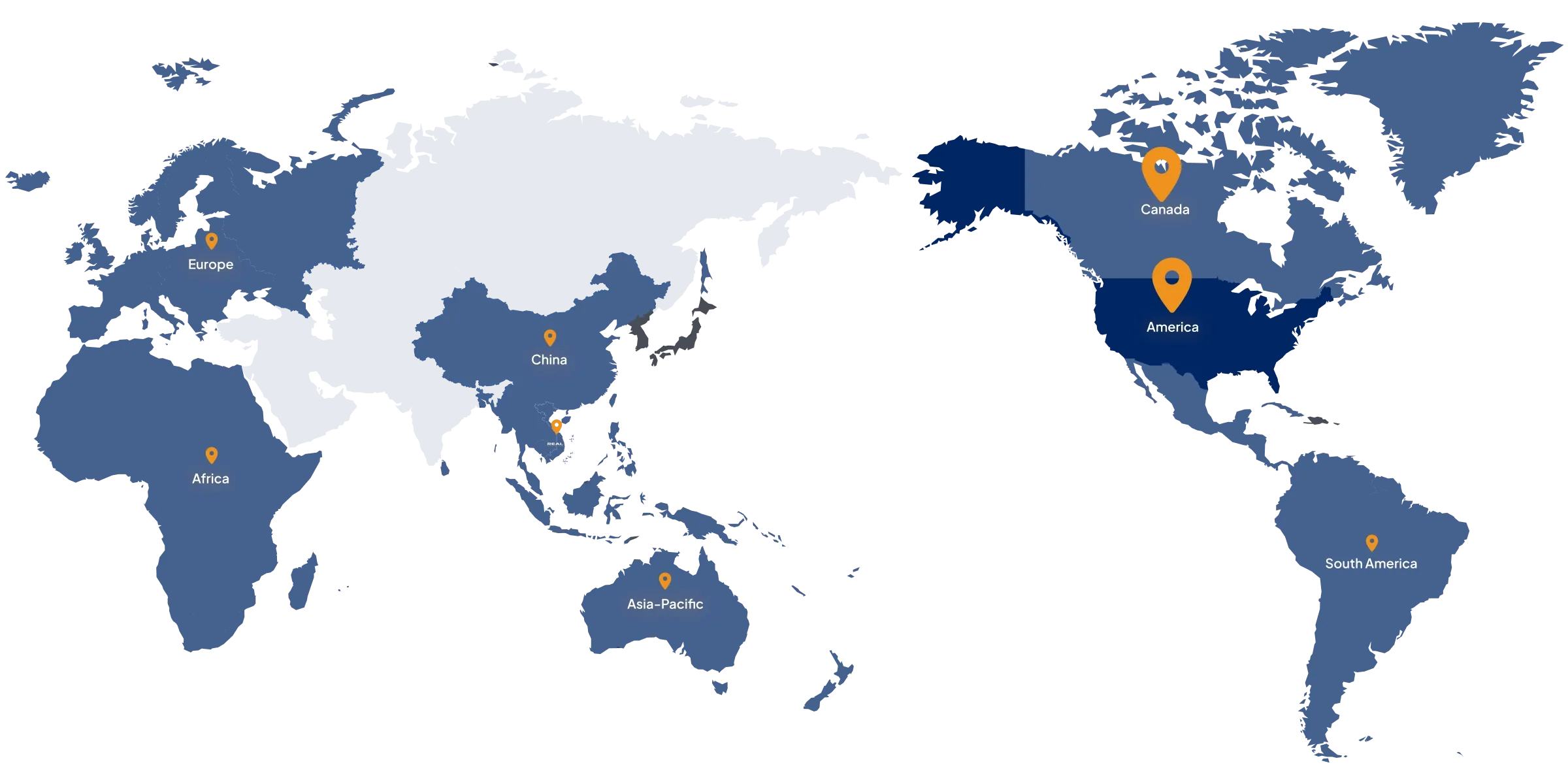
We work with companies across Asia-Pacific, Europe, North America and other regions. Our operational capability is built to connect more than 120 countries and over 300 locations through reliable and efficient logistics services.
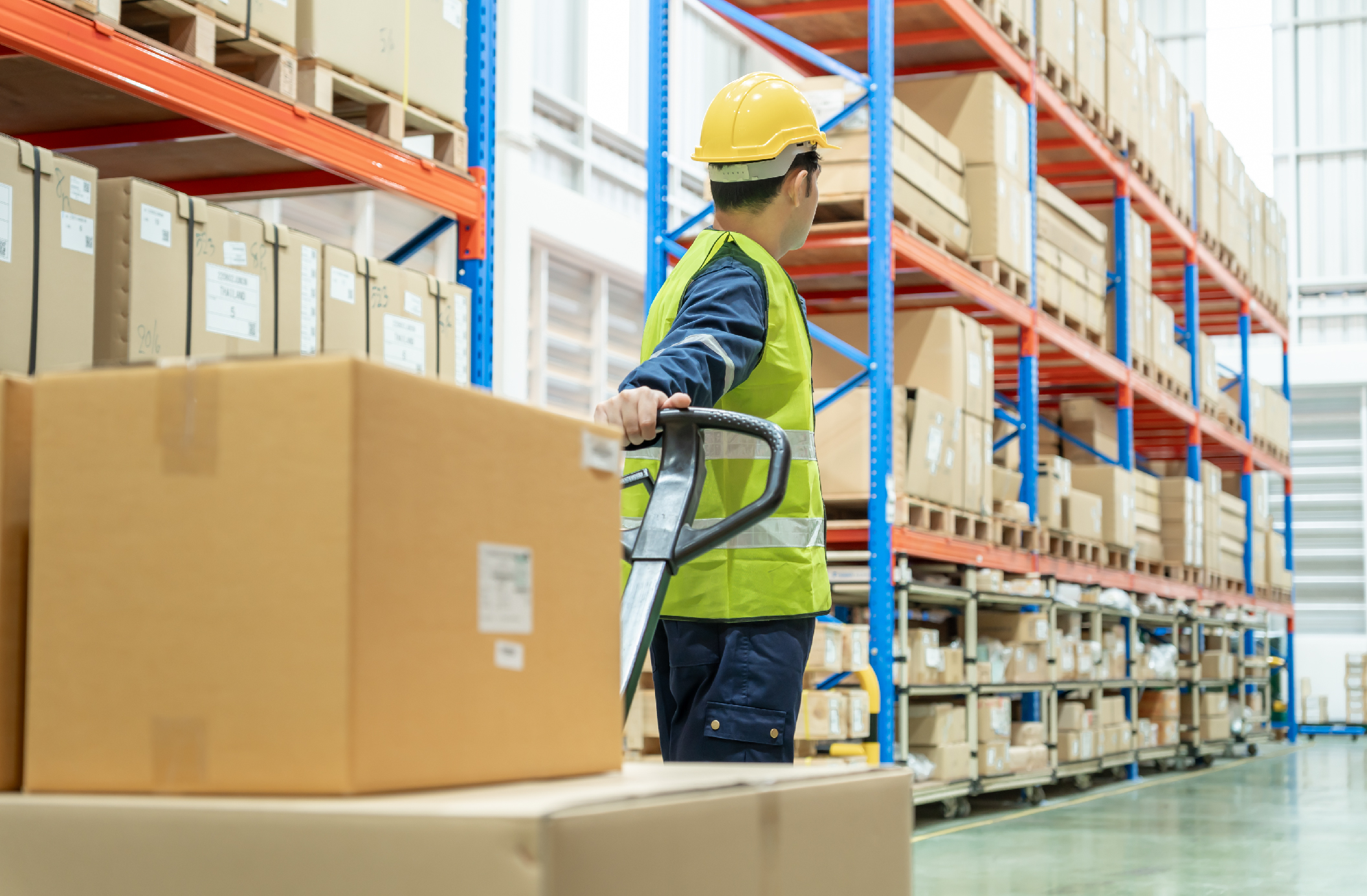
TTP Global Group provides logistics services for import-export businesses, focusing on international freight, customs brokerage, warehousing and supply chain optimization.
Learn more
Complying with operational requirements and service standards in logistics activities.

Designing suitable transport plans to reduce costs and limit unexpected charges.

Fast responses, close shipment follow-up and practical operations handling.

Connecting transport, warehousing and inland service partners for each shipment.
Insights
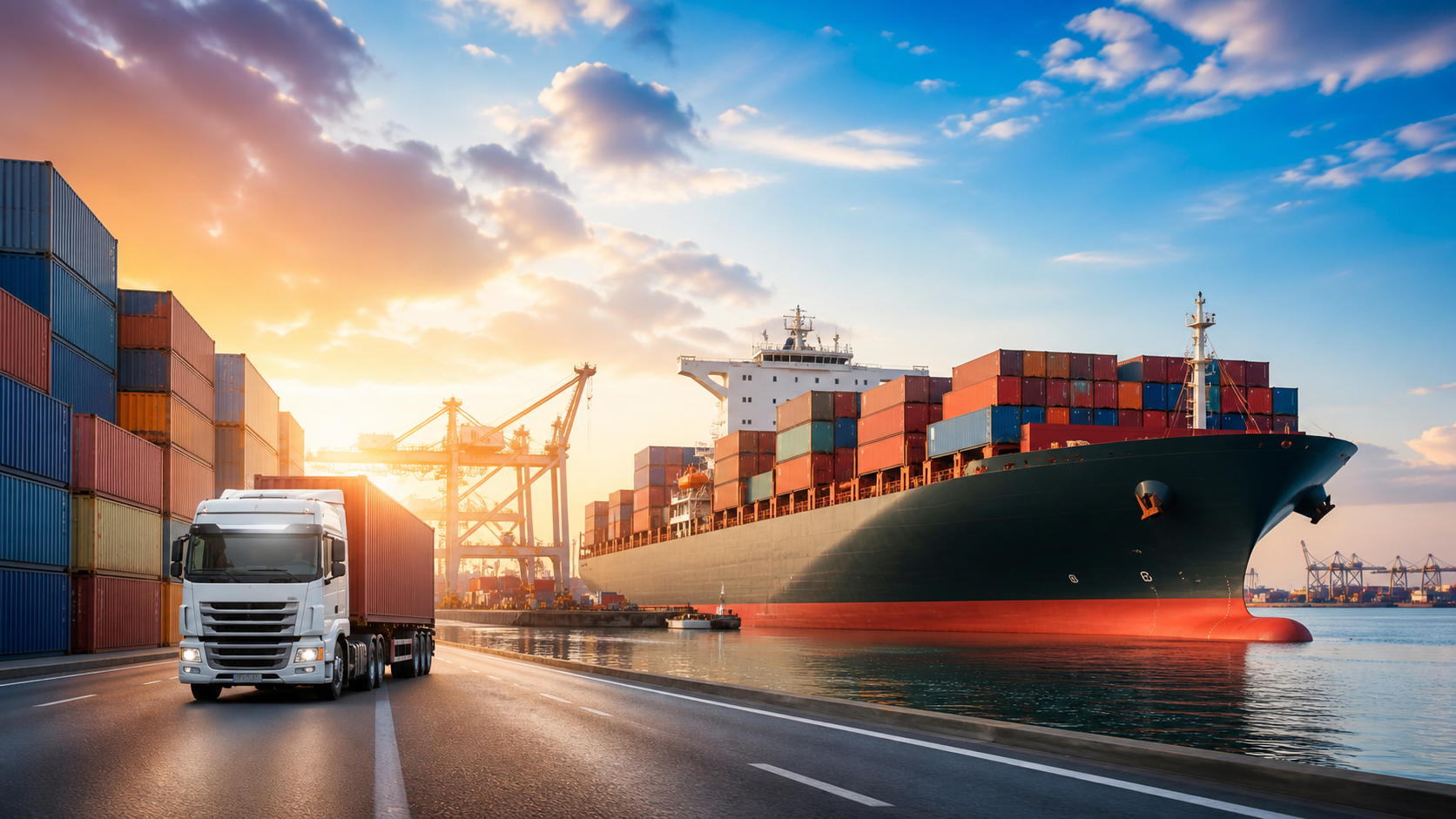

Send shipment details, route and expected timeline. TTP Global Group will recommend a suitable plan for your import-export needs.
FAQ
The specific documents required for sea export procedures can vary depending on the destination country, the type of goods being exported, and local regulations. However, some common documents include:
The specific documents required for air export procedures can vary depending on the destination country, the type of goods being exported, and local regulations. However, some common documents include:
Other certifications or permits may be required depending on the nature of the goods and the destination country, such as health certificates for food products or safety certificates for hazardous materials.
The specific documents required for sea import procedures can vary depending on the country of origin, the type of goods being imported, and local regulations. However, some common documents include:
*CONDITIONS
1. First: Imported and exported goods that require a license must comply with regulations issued by the relevant ministry. The product must not be in the list of goods banned or suspended from import/export.
2. Second: Eligible applicants may include Vietnamese enterprises and qualified foreign-invested enterprises operating under Vietnamese import-export regulations.
* DOCUMENTS FOR IMPORT-EXPORT LICENSE APPLICATION may include:
Commercial goods are any products or items intended for sale, trade or business. These goods are usually produced or purchased for commercial benefit rather than personal use.
Examples:
Non-commercial goods are items not intended for sale or exchange. They are usually imported or exported for personal use, gifts, donations or other non-profit purposes.
Examples:
Unlike commercial goods, non-commercial goods may be exempt from import-export duties. However, specific regulations and restrictions may apply depending on the country and nature of the goods.
1. Commercial invoice + packing list
2. Purchase invoices for input materials
3. Production process
4. Material usage norm per product
5. Local confirmation of product origin
6. Trader profile
Fumigation for export goods is a common method using chemicals to treat insects and parasites on goods with paper, wooden pallets or wooden packaging. This helps keep goods clean and prevents biological contamination during international transport.
Fumigation certificates are issued after the quarantine and medical disinfection authority completes treatment with plant protection chemicals. This document helps protect goods and eliminate bacteria, termites and pests during sea transport. Bromide is commonly used in this process.
The 3-step process includes:
Step 1: Submit fumigation request
Step 2: Conduct cargo fumigation
Step 3: Complete the fumigation process